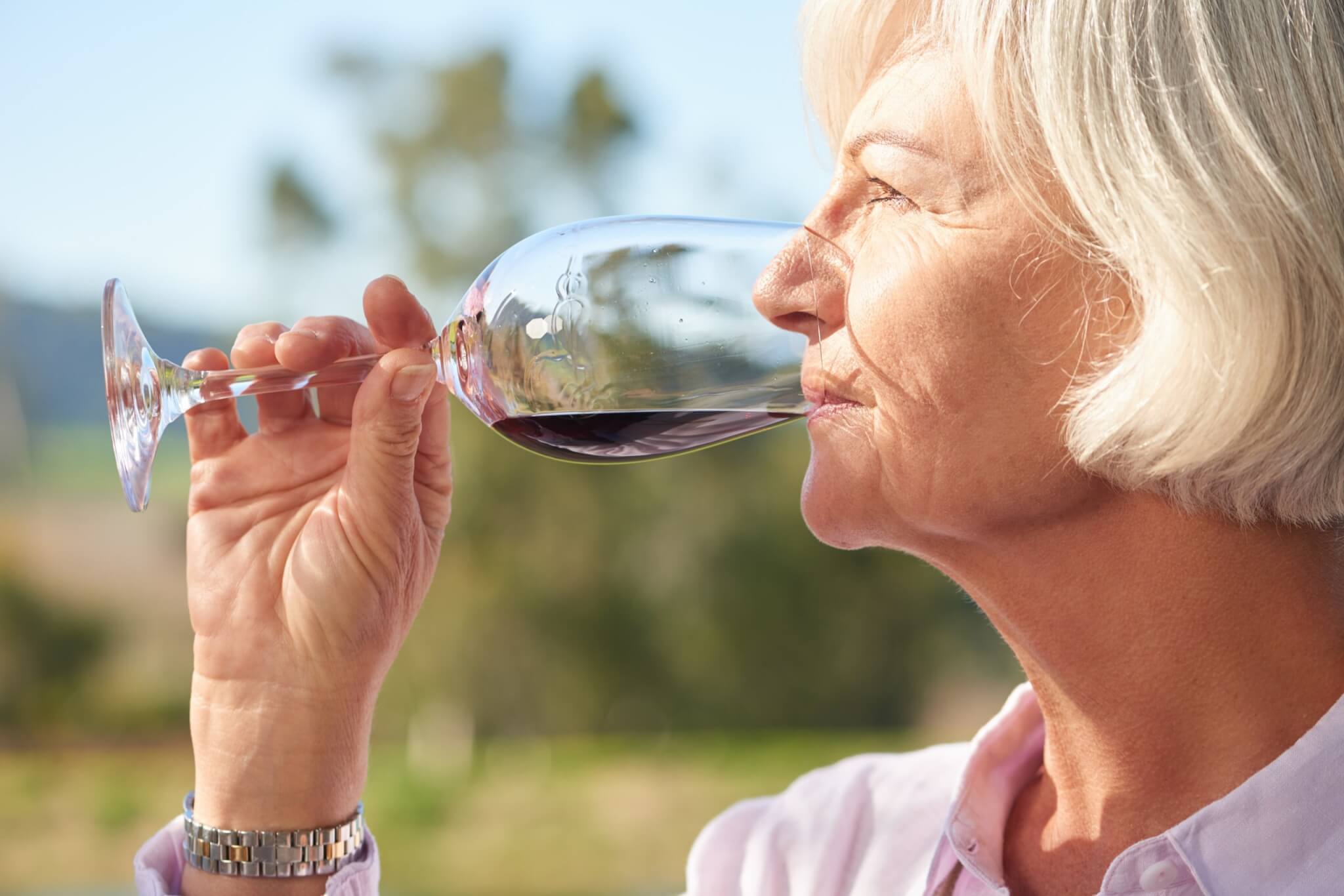
Wine tasting is much more than just drinking. It is an art that engages all our senses, allowing us to uncover the complex layers of flavor and aroma hidden within every bottle. And while it may sound complicated, the foundation of tasting is actually quite simple. It requires only a little time, focus, and a willingness to learn from your own experience.
As part of our 'ABC of Wine' series, this article will walk you through the basics of wine tasting, helping you experience your favorite bottles like never before.

Why Taste?
The goal of tasting isn’t to become a world-class sommelier (though nothing is stopping you!). It’s about learning to:
- Identify different wine types: For example, the difference between Cabernet Sauvignon and Merlot.
- Spot wine faults: How to tell if a wine has gone bad.
- Describe wine: Learn to put your sensations into words, using descriptors like 'fruity', 'spicy', 'fresh', or 'dull'.
- Discover your palate: To understand which flavors and aromas you enjoy the most.
The 5 S’s of Wine Tasting
Tasting is a sequential process that can be summarized in five easy-to-remember steps, known as 'The Rule of the 5 S's':
- See (The Visual Assessment): Tilt the glass at a 45-degree angle over a white surface (such as a napkin or a sheet of paper). The Color: Is it bright or hazy? The Hue: Does it show golden hues (for whites) or ruby tones (for reds)? Consistency: Observe the "legs" (or tears) on the sides of the glass. This indicates the alcohol content and residual sugar.
- The Visual Assessment (Look): Tilt the glass at a 45-degree angle over a white surface (such as a napkin or a sheet of paper). Pay attention to: The Color: Is it bright or hazy?
- The Hue: Does it show golden hues (for white wines) or ruby tones (for red wines)?
- Consistency: How do the 'legs' (or 'tears') run down the sides of the glass? This indicates the alcohol content and residual sugar.
- Sniff This is the most important step. Take a quick sniff first without swirling to catch the delicate aromas. Then, after the swirl, take a deeper breath. Плодове (ягода, ябълка, цитрус), подправки (черен пипер, канела), дървесина (дъб, тютюн).
- Търсете сложност: Има ли само един аромат или комбинация?
- Пробвайте (Taste): Вземете малка глътка и я задръжте в устата си за няколко секунди. Прокарайте виното по целия език, за да усетите всички вкусни зони. * Усетете баланса: Сладост, киселинност, горчивина, танини.
- Търсете послевкус: Колко дълго усещате вкуса, след като погълнете (или изплюете) виното? Дългият послевкус обикновено е знак за качество.
- Помислете за текстурата: Тънко, средно или пълно тяло?
- Преценете (Assess): Това е финалната стъпка. Помислете за целия опит и си задайте въпроси: * Хареса ли ми виното?
- Какво ми хареса най-много в него?
- За какъв повод или с каква храна би било подходящо?
Additional Tips for a Successful Tasting:
- Take notes: Keeping a tasting journal is a wonderful way to track your progress and remember the specific wines you have experienced.
- Take Notes: Keeping a tasting journal is a great way to track your experiences and remember the wines you have tried.
- Don’t be afraid to express your opinion: Everyone has a unique palate, so there are no wrong answers.
- Have fun! Tasting is, above all, an experience to be enjoyed.
Stay tuned for the next article in our 'ABC of Wine' series, where we will discuss the different types of wine glasses and how to choose the right one.