Do you believe that the shape of the glass can change the taste of the wine? Many consider this a snobbish myth, but science and practice prove otherwise. The shape of the glass isn't just about aesthetics; it is a tool designed to direct aromas to your nose and deliver the wine to the exact area of your tongue.
As part of our "ABC of Wine" series, today we’ll explain why shape matters and provide a simple guide on how to choose the ideal glass for every wine—without turning your kitchen into a glassware warehouse.
.
The Anatomy of the Proper Wine Glass
Before we talk about shapes, let’s define the essential characteristics of a good wine glass:
Thin glass/crystal: Allows you to sense the temperature of the wine and observe it without distortion.
Clarity: The glass should be crystal clear so you can appreciate the color and nuances of the wine (avoid colored or frosted glasses).
- Столче (краче): То не е само за красота. Държейки чашата за столчето, вие: * Предотвратявате затоплянето на виното от топлината на ръката ви.
- Избягвате оставянето на пръстови отпечатъци по балона, което пречи на визуалната оценка.
The Bowl, tapering at the top: This is the most important part. The rim of the glass should be narrower than the widest part of the bowl. This helps to "trap" and concentrate the aromas that are released when you swirl the wine.
Guide to Choosing by Wine Type:
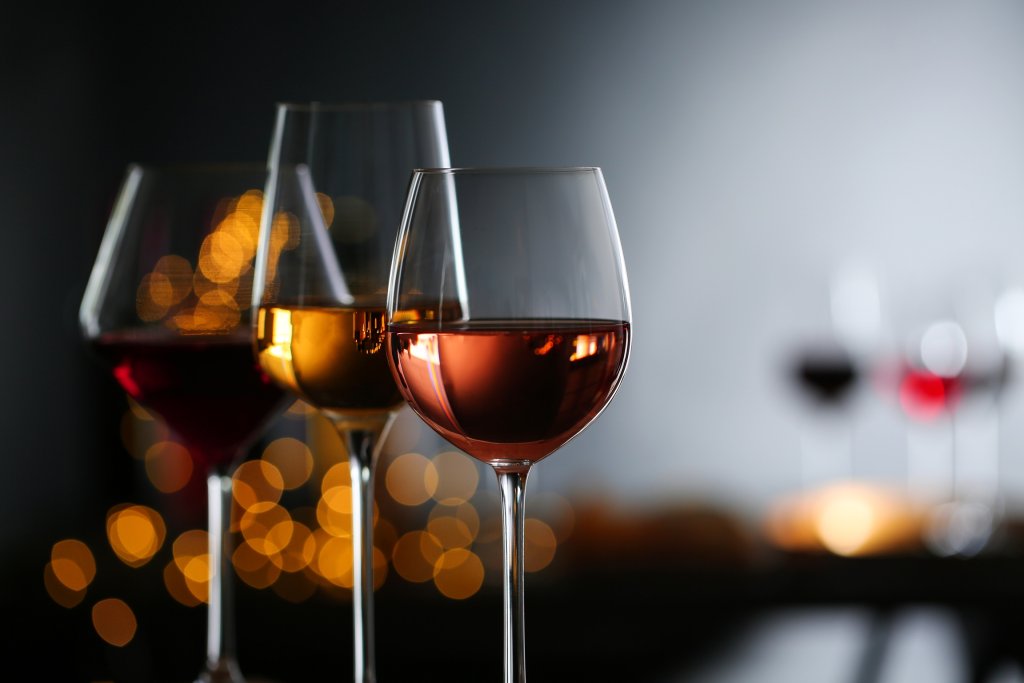
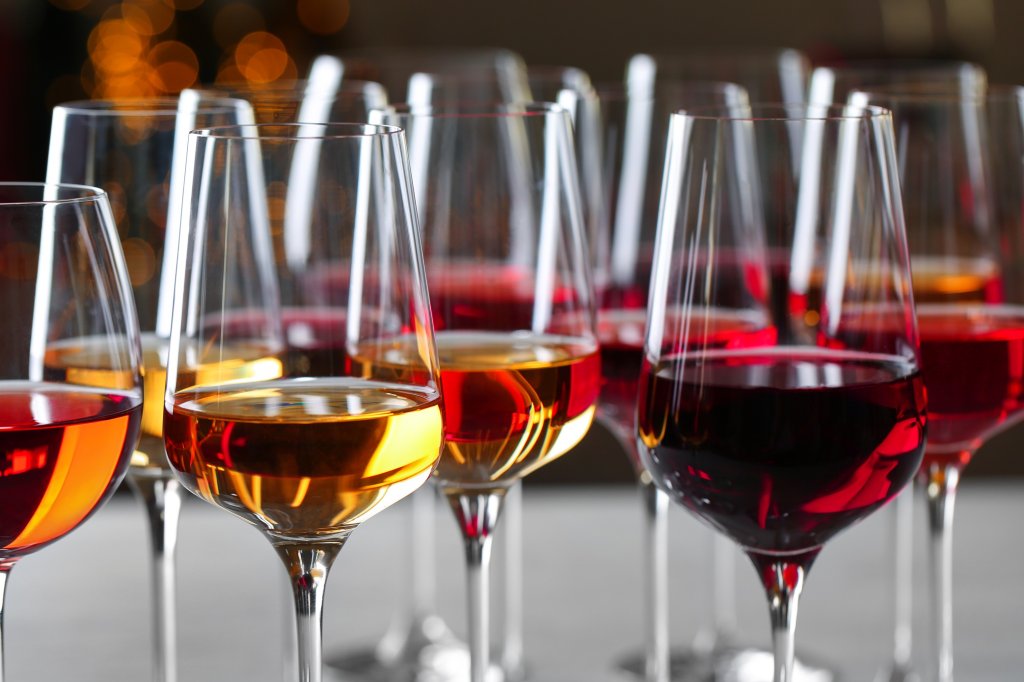
1. Red Wine Glasses: 'More Room to Breathe
Red wines are full-bodied, with more complex aromas and tannins. They need more contact with oxygen to 'open up'.
- Characteristics: A larger, wider, and deeper bowl with a broader rim.
- Основни типове: * Бордо (Bordeaux): Идеална за Каберне Совиньон, Мерло. По-висока, с прав балон, насочва виното към задната част на езика, за да смекчи танините.
- Бургундия (Burgundy): Идеална за Пино Ноар. По-тумбеста, с по-тясно устие, концентрира деликатните аромати и ги насочва към предната част на езика.
2. White Wine Glasses: 'Preserving Freshness
White wines are more delicate, fruity, and fresh. The goal is to preserve the chill and concentrate the aromas.
Characteristics: A smaller, narrower, and more upright bowl.
- Защо? * По-малката площ намалява контакта с кислорода, запазвайки свежестта.
- По-тясното устие насочва виното към центъра на езика, където се усеща плодовостта и киселинността.
3. Sparkling Wine Glasses: 'For the Play of Bubbles
For Champagne, Prosecco, or Cava, we want to see the beautiful chains of bubbles and experience the freshness.
The Ideal Choice: Flute or Tulip glasses.
Why?
- The tall, narrow shape preserves carbonation (bubbles) for longer.
- The Tulip glass has a slightly wider bowl that allows more complex aromas (especially in aged Champagne) to be released.
What to Avoid: Old-fashioned shallow, wide glasses (Saucer/Coupe), which cause the bubbles to dissipate almost instantly.
What about 'Universal' Glasses?
If you don't have the space or budget for dozens of glass types, the solution is a 'universal' tasting glass (such as the 'Riedel Ouverture' or similar). These have a medium-sized bowl and a rim that tapers upward, making them suitable for almost all wine types—red, white, rosé, and even sparkling (if you’re not set on using a flute).
Conclusion:
Choosing the right glass isn't snobbery; it’s a way to respect the wine and extract maximum enjoyment from it. Even the most modest wine will taste better in the proper glass. Experiment! Pour the same wine into two different glasses, and you’ll be surprised by how different the experience can be.