You’ve bought a bottle of wonderful wine – maybe it’s a special vintage for a birthday, a souvenir from a trip, or just something you want to save for a special occasion. Now comes the important question: where and how should you store it so it stays perfect?
Wine is a living thing. It changes and evolves over time, but only if you provide the right conditions. Poor storage can turn even the most expensive bottle into vinegar in just a few months.
As part of our "The ABCs of Wine" series, today we’re revealing the 5 golden rules for storing wine at home—whether you have a professional cellar or just a spare shelf in your wardrobe.
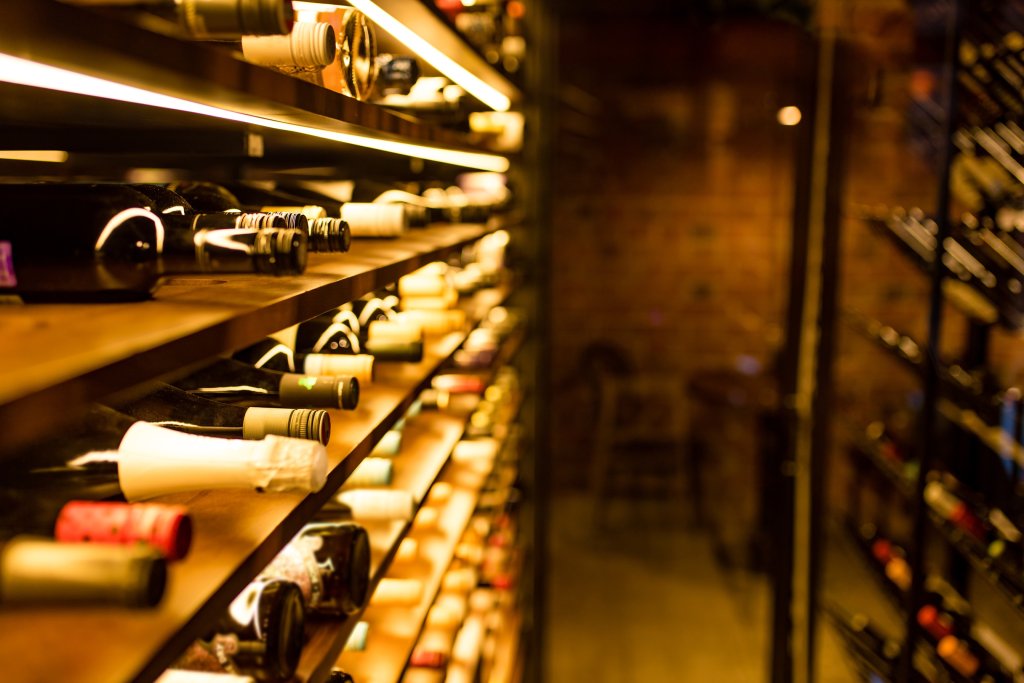
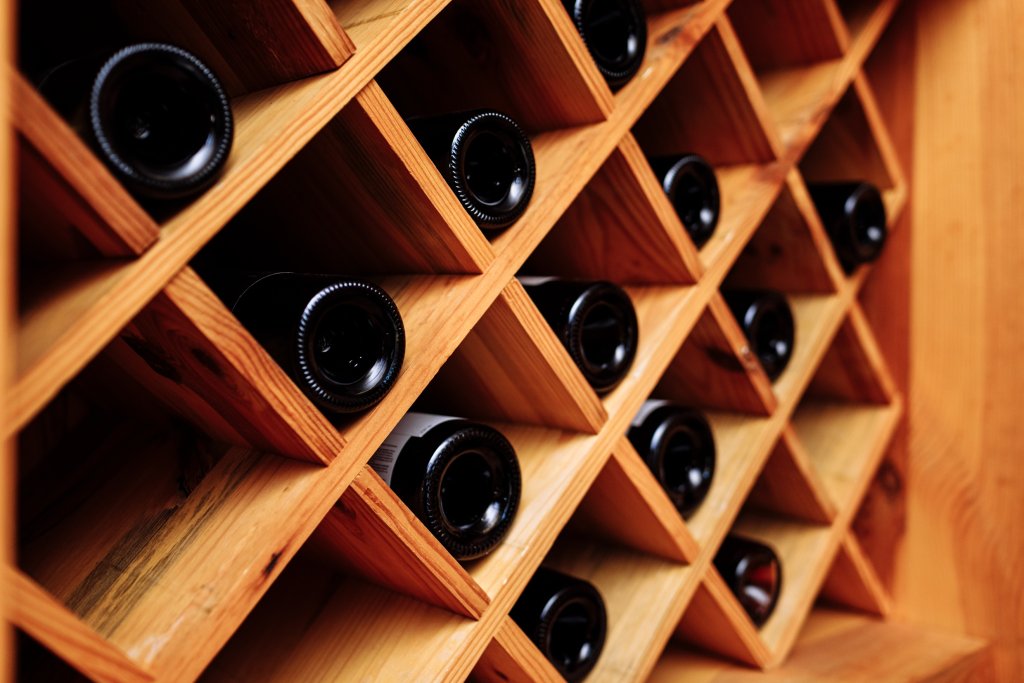
1. Constant and Cool Temperature
This is the most critical factor. Wine hates sudden temperature fluctuations.
Ideal Temperature: For most wines, it is between 12°C and 14°C.
Why? A setting that is too warm (above 24°C) causes the wine to “cook” and age prematurely, losing its freshness. An environment that is too cold (below 4°C) can stunt its development significantly.
Where NOT to: Never store wine near the stove, a radiator, on a windowsill, or in a refrigerator for long periods (a standard fridge is too cold and dry).
2. Protect it from Light (Especially Sunlight)
Light is wine's enemy number one. Ultraviolet (UV) rays can penetrate the glass and trigger chemical reactions that break down aromatic compounds and ruin the flavor (a phenomenon known as 'lightstruck').
The Solution: Keep your bottles in the dark. If you don't have a cellar, use a cardboard box, a wardrobe, or a cupboard.
Fun Fact: Dark bottles (amber, green) provide better protection than clear ones, but even they are not entirely immune.
3. Proper Humidity (Not Too Dry, Not Too Damp)
If the wine is sealed with a natural cork, humidity levels are of crucial importance.
Ideal Humidity: Around 70%.
Why? If it’s too dry, the cork can dry out and shrink, allowing oxygen to seep into the bottle (oxidation). If it’s too humid (over 80%), mold may develop on the label or the cork.
Where NOT to: A standard household refrigerator is very dry and is not suitable for long-term storage.
4. Horizontal Position (For Natural Cork)
This rule only applies to bottles sealed with natural cork stoppers.
The Solution: Store the bottles horizontally (lying down).
Why? This keeps the wine in constant contact with the cork, keeping it moist. A moist, expanded cork provides a perfect seal against oxygen. If the bottle stands upright, the cork dries out and lets air in.
Note: Wines with screw caps or synthetic corks can also be stored upright.
5. Stillness and Lack of Vibrations
Constant vibrations (from a refrigerator, a washing machine, or a nearby busy street) can disturb the delicate chemical aging processes within the wine.
The Solution: Find a quiet spot where the bottles won't be moved or shaken frequently.
Conclusion: Where to Store It at Home?
If you don't have a professional wine cooler or a cellar, the best place is the bottom of a dark wardrobe or a pantry in the coolest room. Place a box there and arrange the bottles horizontally.
Investing in the right storage conditions ensures that when the time comes to open the bottle, it will reward you with its full potential.