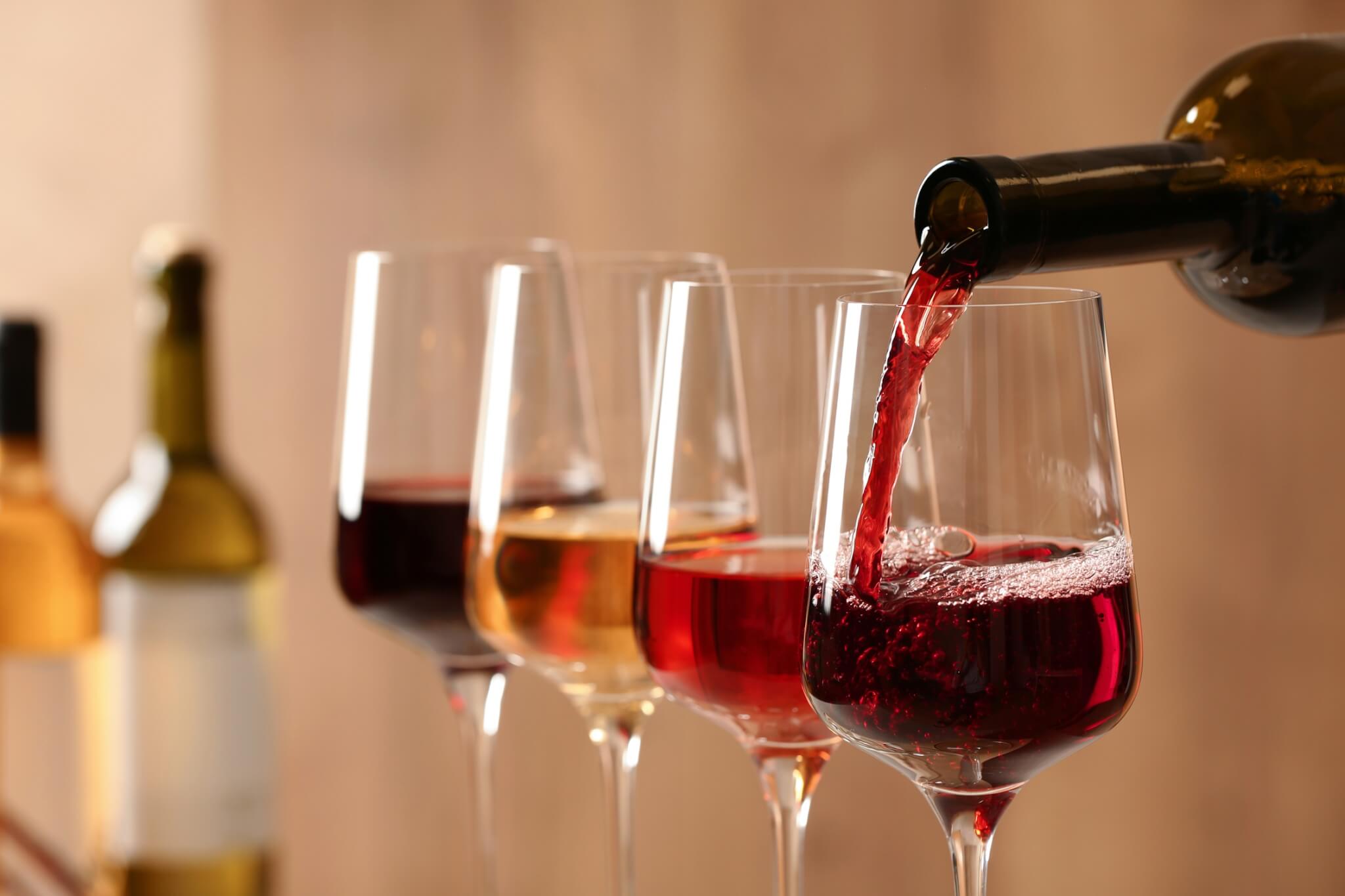
The world of wine has a language of its own. Sometimes, when listening to a sommelier or reading a label, it feels like they’re speaking a foreign tongue. Words like 'tannins,' 'oxidation,' 'body,' or 'dry' can be confusing for the novice enthusiast.
As part of our “ABC of Wine” series, today we present a brief and clear glossary of the most common wine terms, so you can feel confident when discussing your favorite drink.
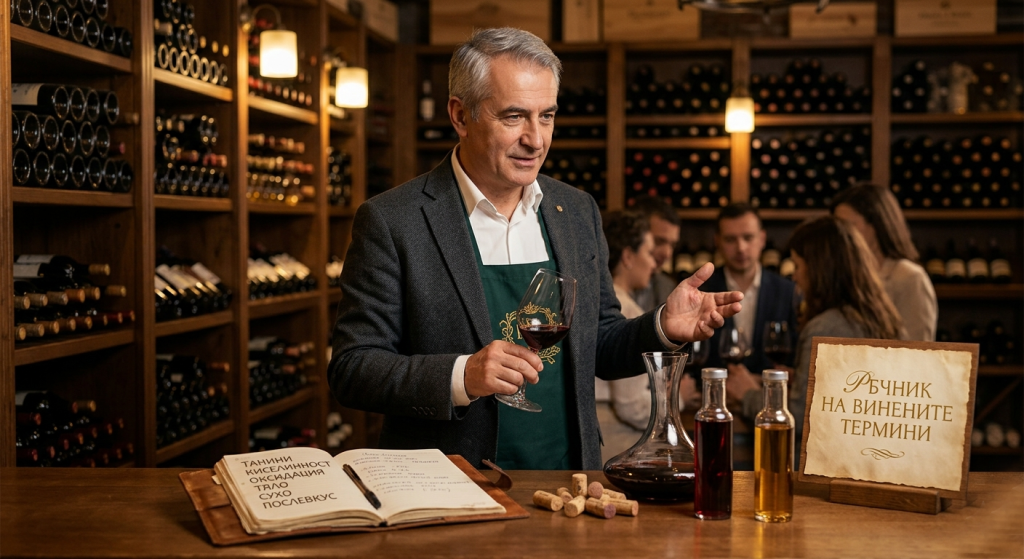
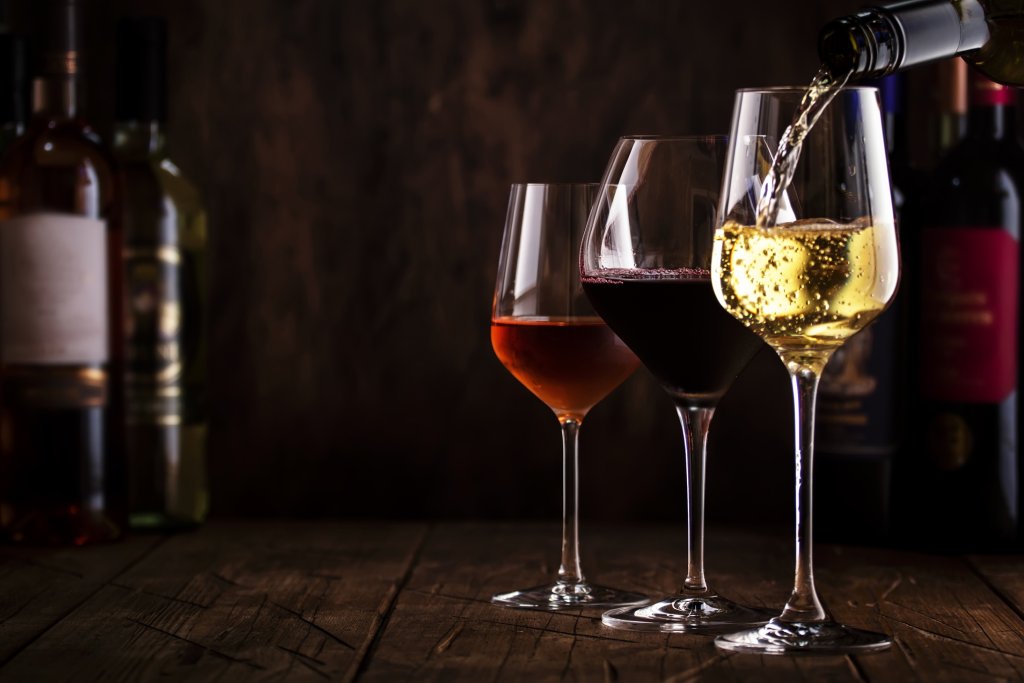
Essential Taste and Structural Terms
- Тяло (Body): Усещането за тежест, плътност и вискозитет на виното в устата. Описва се като: * Леко тяло: Усеща се като вода (напр. Пинo Гри).
- Средно тяло: Усеща се като обезмаслено мляко (напр. Мерло).
- Пълно тяло: Усеща се като пълномаслено мляко (напр. Каберне Совиньон).
Tannins: Natural compounds found in the skins, seeds, and stems of grapes, as well as in oak barrels. They provide a sensation of dryness, astringency, and a slight bitterness on the gums and tongue. They are more characteristic of red wines.
Acidity: Gives a sense of freshness, brightness, and “crispness” to the wine. It mimics the sensation of biting into a lemon. It is key to balance, especially in white wines.
- Сладост (Sweetness): Усещането за остатъчна захар, която не се е ферментирала в алкохол. Описва се като: * Сухо (Dry): Почти без остатъчна захар.
- Полусухо (Off-dry): Леко захарно усещане.
- Сладко (Sweet): Осезаема сладост.
Finish (Aftertaste): The taste that remains in your mouth after you swallow or spit the wine. The longer and more complex the finish, the higher the quality of the wine.
Terms Related to Aroma and Faults
Nose: A term describing the overall aroma of the wine.
Bouquet: The complex aromas that develop in the wine during its aging process in the bottle or barrel (e.g., vanilla, tobacco, leather).
Aroma: The primary, fresher, and fruitier scents that come directly from the grape variety (e.g., strawberry, apple).
Oxidation: A chemical process in which the wine has been exposed to too much oxygen for a long period. This leads to a loss of freshness, a change in color (becoming brownish), and aromas of staleness or vinegar. It can be a fault, but in some wine styles, it is a deliberate effect (e.g., Port).
Reduction: The opposite of oxidation. The wine has not had enough oxygen during fermentation. It usually leads to smells of sulfur, rotten eggs, or burnt rubber. Often, this can be corrected by swirling the wine vigorously in the glass or decanting it.
Corked: A fault caused by the chemical compound TCA in the cork. The wine smells like wet cardboard, mold, or a damp basement. It has nothing to do with small pieces of cork in the glass; it is a scent-based defect.
Conclusion:
Mastering these basic terms will not only help you better understand wine lists and labels but also allow you to describe your own taste preferences more accurately. Don’t be afraid to use these words – they are the key to a deeper knowledge of wine.